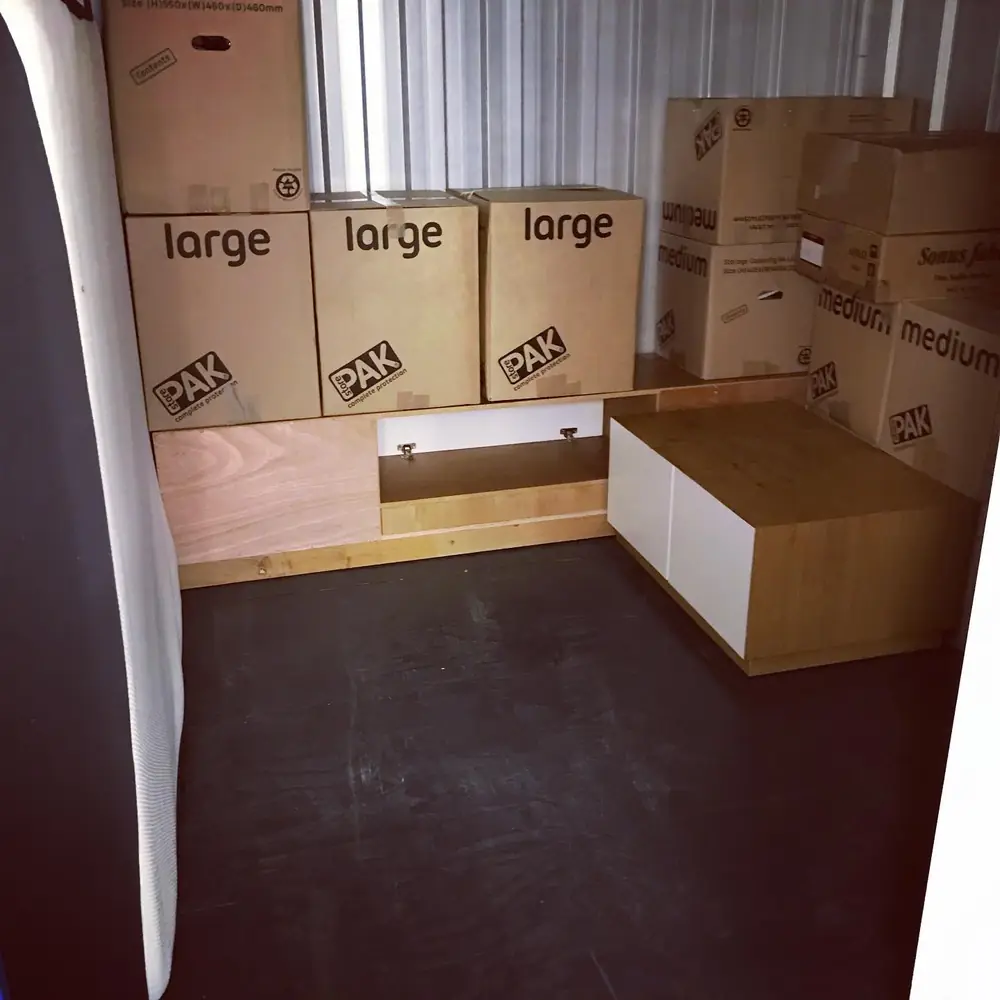
Bad packing is the single most common cause of broken items and delayed moves. After helping hundreds of Londoners move every year, we see the same mistakes made over and over again: boxes too heavy to lift, fragile items rattling loose, last-minute panic packing on moving morning. This guide gives you everything we know — from box selection to room-by-room order — so your moving day runs without a hitch.
What You'll Need Before You Start
- Double-walled cardboard boxes — small, medium and large. Don't use single-walled; they collapse under weight. Supermarkets often give these away free.
- Packing tape — 2–3 rolls minimum. Brown parcel tape, not sellotape.
- Bubble wrap — at least one roll for fragile items.
- Packing paper or newspaper — for filling gaps and wrapping non-fragile items.
- Permanent markers — at least 2, for labelling boxes.
- Coloured stickers or tape — one colour per room makes unloading much faster.
- Scissors — keep one pair accessible at all times during packing.
- Zip-lock bags — for screws, cables, small parts.
You can order packing materials through us or pick them up from any large supermarket or Ryman.
The 10 Rules of Good Packing
1 Heavy items in small boxes
Books, tiles, tools and kitchen appliances go in small boxes only. A large box full of books is impossible to lift and will split. The rule: if it's dense, it goes in a small box. If it's light and bulky (cushions, duvets, pillows), use the large boxes.
2 Fill every box completely
Half-empty boxes collapse when stacked in the van, crushing the contents of the box below. Fill any gaps with scrunched packing paper, bubble wrap or clothing. Every box should be full enough that the top doesn't bow inward when you press it.
3 Tape the bottom of every box — twice
Run tape along the centre seam, then cross it with tape along the perpendicular seam. A single strip of tape along the bottom is not enough for anything heavier than 5kg. Box bottom failures are one of the most common causes of breakages on moving day.
4 Label every box on the side, not the top
When boxes are stacked in the van or in your new home, you can only see the sides. Write the destination room and contents on all four sides. Use coloured stickers per room so the movers can place each box immediately without reading every label.
5 Wrap fragile items individually
Every glass, plate and fragile item gets its own wrap. Use bubble wrap for glasses and ceramics. Use packing paper for plates (wrap each plate, stack vertically — never flat). Never put two unwrapped fragile items next to each other, even if they look solid.
6 Pack one room at a time
Never mix rooms in the same box. One box = one room, always. This makes unloading infinitely faster because the movers can place each box directly in the right room without sorting later. Label the box with the room name and a number so you can unpack in sequence.
7 Disassemble furniture the night before
Beds, wardrobes, dining tables, flat-pack shelving — take them apart the night before your move. Keep all screws, bolts and fittings in a labelled zip-lock bag taped directly to the piece of furniture they belong to. Photograph the assembly before you take it apart.
8 Use clothing and linen as packing material
Wrap fragile items in jumpers, t-shirts and towels. This protects your items and means you're not paying for extra bubble wrap. Linen and clothing can also fill gaps in boxes. It all needs to move anyway — make it work for you.
9 Pack an "open first" box per room
In each room, pack one clearly-marked "OPEN FIRST" box with the essentials you'll need in the first 24 hours: kitchen basics (kettle, mugs, tea, a plate), bathroom basics (toilet roll, soap, towel), bedroom basics (bed linen, phone charger). This box goes in the van last and comes out first.
10 Pack the kitchen last
You'll use the kitchen until the final evening. Pack everything you don't use daily 2 weeks out. Pack cooking equipment, appliances and pantry items a few days before. Pack your daily crockery and utensils the morning of the move — or the night before if you're happy eating out or ordering in on moving day.
Room-by-Room Packing Order
Pack in this order. The rooms you use least go first, the rooms you use most go last.
📚 Pack First (4 weeks out)
- Spare bedroom
- Loft and garage
- Books and DVDs
- Out-of-season clothes
- Decorations and artwork
- Sports equipment
🛋️ Pack Second (2 weeks out)
- Living room ornaments
- Extra bedding and linen
- Non-daily kitchenware
- Games, toys, hobby items
- Office stationery and files
- Garden tools
🍳 Pack Third (2-3 days out)
- Kitchen appliances
- Most clothing
- Bathroom extras
- Living room electronics
- Furniture you can live without
- Pantry and tinned food
⏰ Pack Last (day before/morning of)
- Daily crockery and cookware
- Toiletries and medications
- Phone chargers and cables
- Bed linen (make the bed last)
- Important documents
- Children's essentials
How to Pack Specific Rooms
Kitchen
The hardest room to pack. Start by culling — moving house is the best time to throw out expired food, worn utensils and appliances you never use. For what remains: wrap all glasses and mugs individually in bubble wrap or packing paper. Stand plates vertically in boxes (never flat — they crack more easily flat). Wrap knives in packing paper and tape them shut. Empty and defrost the fridge 24–48 hours before the move.
Bedroom
Use wardrobe boxes for hanging clothes — they go straight from rail to box to rail. For folded clothes, suitcases and laundry bags work well. Remove all bedside items and pack them in a labelled box. Disassemble the bed frame and bag the bolts. Wrap the mattress in a mattress bag if you have one (protects against scuffs in the van).
Living Room
Photograph the back of your TV and AV setup before unplugging anything — saves enormous time at the other end. Pack cables in labelled zip-lock bags. Wrap the TV in its original box if you have it, or use bubble wrap and a blanket. Artwork and mirrors should be wrapped in bubble wrap and placed in purpose-made picture boxes, stood upright — never flat.
Bathroom
Check all bottles are tightly sealed and place them in zip-lock bags before packing — they leak. Dispose of anything half-empty that you won't use. Pack medications separately in your personal bag, not in the removal van.
What NOT to Pack
- Hazardous items — paint, gas canisters, aerosols, flammable liquids. These cannot go in a removal van legally or safely. Dispose of them before your move.
- Plants — most removal companies won't take responsibility for plants. Transport them yourself in your car if possible.
- Perishable food — use up your fridge and freezer contents in the week before the move. Frozen food cannot survive a long move.
- Valuables and documents — keep these with you, not in the van.
Should I Hire Professional Packers?
If you're short on time, have a lot of fragile or high-value items, or simply don't want to spend a week packing, our professional packing service is worth considering. We pack an entire flat in a few hours the day before your move. Everything is wrapped, boxed and labelled professionally, and you arrive on moving day with nothing left to do but direct the team.
The cost is typically £150–£300 depending on property size — often less than the extra hours you'd pay on moving day if your packing isn't ready when the team arrives.
FAQs — Packing for a Move
Start packing non-essentials 4 weeks before your move. Pack spare rooms, books, decorations and out-of-season clothes first. Pack the kitchen last — you'll need it until the final days before moving.
Use small boxes for heavy items like books, tiles and tools. Use large boxes for light bulky items like duvets, pillows and lampshades. Medium boxes work for most general household items. Never overfill — if you can't lift it comfortably, split it into two boxes.
Wrap each fragile item individually in bubble wrap or packing paper. Place heavier items at the bottom of the box, lighter items on top. Fill all gaps with packing paper or clothing to prevent movement. Label the box FRAGILE on all four sides and the top.
Only for soft items like duvets, pillows, clothes and soft toys. Never use bin bags for anything breakable or heavy — they split, stack badly in the van and provide no protection. For everything else, use proper cardboard boxes.
Need Help Packing or Moving?
We offer professional packing services across London — or just the man and van if you've done the packing yourself. Free quote within the hour.
More guides: Man and Van Costs 2026 · Moving Checklist · Man and Van vs Removal Company · Packing Services London